AWARD CATEGORY
nPulse, Power Line Systems, STAAD
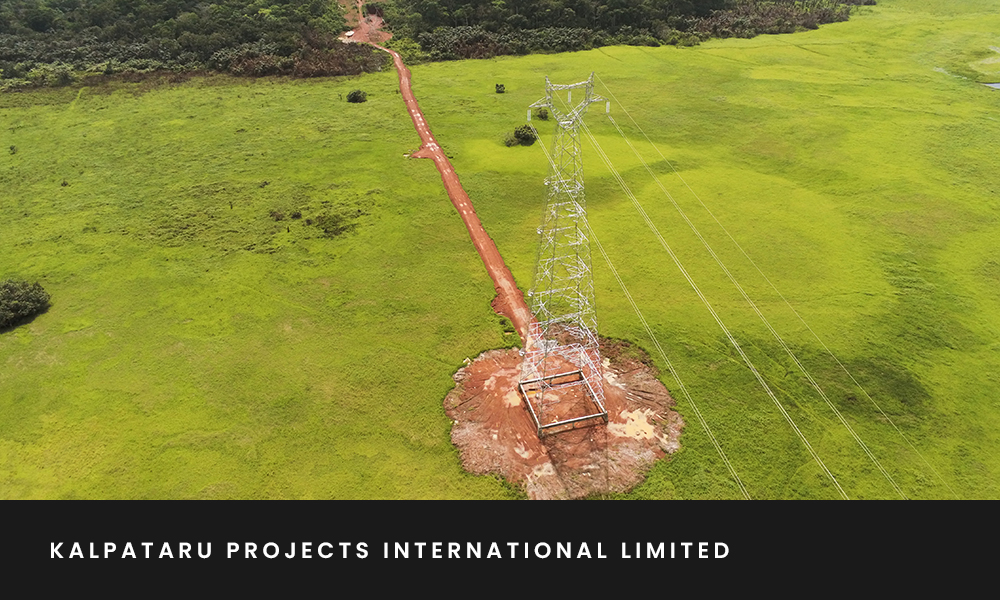
Located across several impoverished regions of Cameroon with limited grid connection and unreliable power supply, this project will build two 225-kilovolt single circuit transmission lines and supporting substations, improving regional electricity access, promoting industrialization, and increasing quality of life. It required arranging 297 kilometers of linear transmission line amid inclement weather spread across difficult terrain. Faced with these constraints, compounded by data management, design, and technical challenges, KPIL needed an integrated digital engineering and management solution.They selected Power Line Systems and STAAD for transmission line layout, substation design, and structural analysis, and nPulse as the collaborative project management platform. Bentley’s applications streamlined modeling and design and facilitated end-to-end real-time project monitoring. The digital solution reduced project completion time by approximately 9% and saved a total of 12% in overhead and subcontracting costs. Compared to conventional methods, KPIL saved 2.5% in material costs, reducing the carbon footprint, and eliminated diesel-power generation in the region, equivalent to 450 megatons of carbon emissions per month.