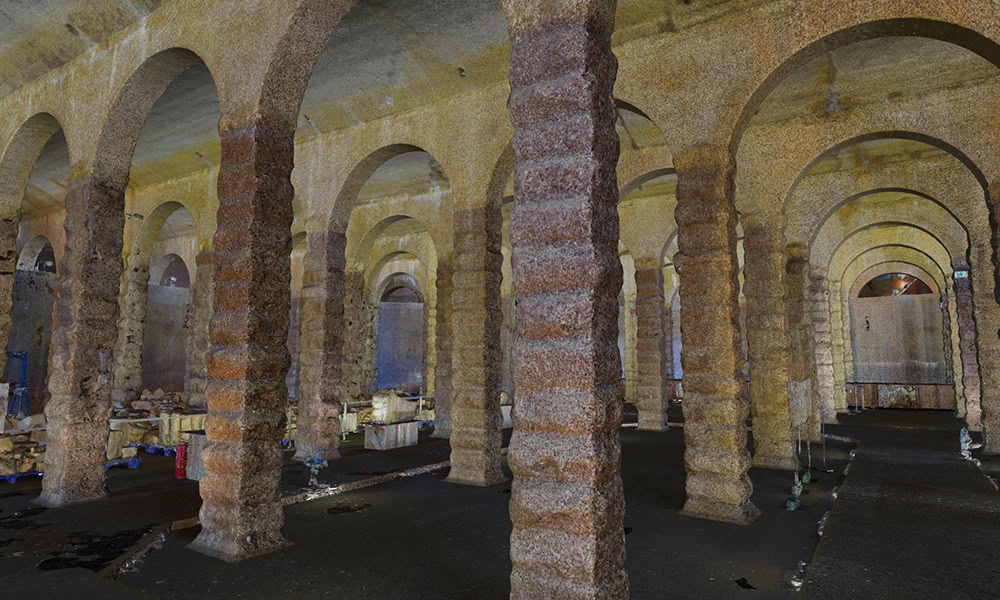
Built in 1904, the Ex-Sham Shui Po Service Reservoir formed part of the Kowloon Waterworks Gravitation Scheme until it was decommissioned in 1970. Given its historical background as a crucial water supply building, coupled with its iconic design and architecture, Land Surveying Section (LSS) was tasked with constructing a digital replica to preserve the historic nature of the structure that attracts numerous tourists. The project presented data capture, integration, and exchange challenges on a tight project timeline, requiring a unified platform to model and share the multisourced data with multiple stakeholders. LSS utilized Bentley’s iTwin applications to process drone-captured and scanned images into a mesh model and digital twin. Working in a cloud-based platform streamlined sharing voluminous data with multidiscipline stakeholders, improving data exchange efficiency by 30%. The automated and robust features of iTwin reduced data processing time by 20% and increased the model accuracy by 50%. The successful project serves as a pilot for using digital twins to preserve other historic Hong Kong sites.