AWARD CATEGORY
Bentley Infrastructure Cloud, iTwin, Leapfrog, MicroStation, OpenGround, OpenRoads, PLAXIS, ProjectWise, SYNCHRO
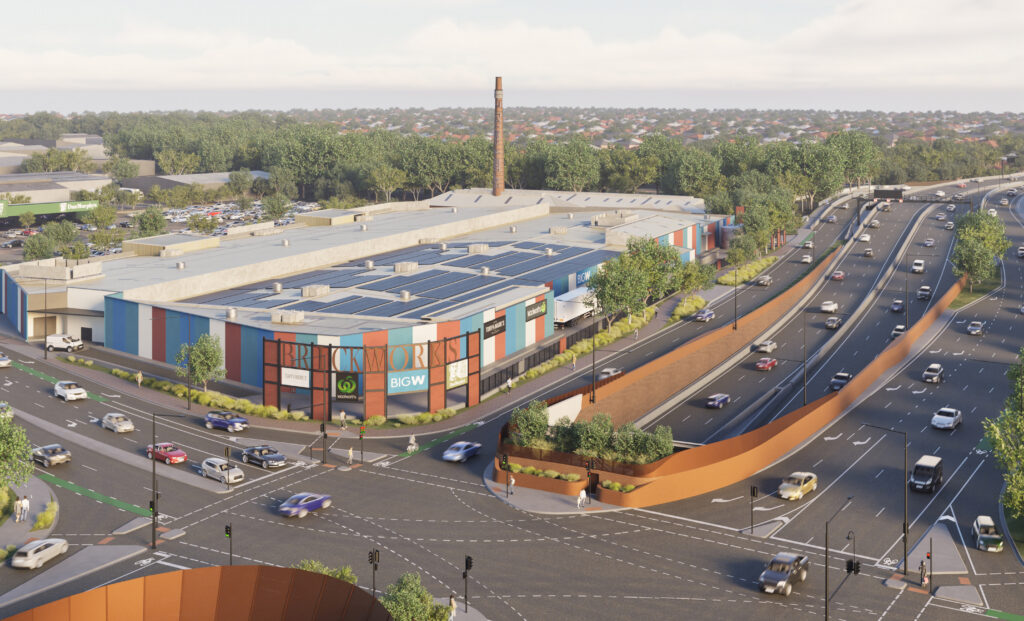
The River Torrens to Darlington (T2D) Project consists of the 10.5-kilometer section of the North–South Corridor in Adelaide, including twin tunnels, major interchanges, cut-and-cover sections, and 22 bridges. Jacobs is part of the alliance delivering the project with Arcadis, John Holland, Bouygues Construction, and Ventia, in partnership with the Department for Infrastructure and Transport. The team had to coordinate across hundreds of users, multiple organizations, and tens of thousands of deliverables, creating significant challenges in information management, design coordination, and stakeholder alignment.
To address this challenge, the alliance implemented a connected digital delivery model using Bentley software, establishing a governed digital thread across design, construction planning, and decision-making. Using digital workflows, the team achieved an estimated 5% to 8% efficiency gain, equal to approximately 350,000 to 600,000 hours saved, while standardized design attributes contributed to an estimated 10% to 20% reduction in material overdesign. The project will improve safety, reduce congestion, and cut travel times by up to 40%.