Water and wastewater

Recognizing teams who apply technology in extraordinary ways to deliver measurable outcomes in water infrastructure.
YEAR IN INFRASTRUCTURE

2026 Water and wastewater finalists

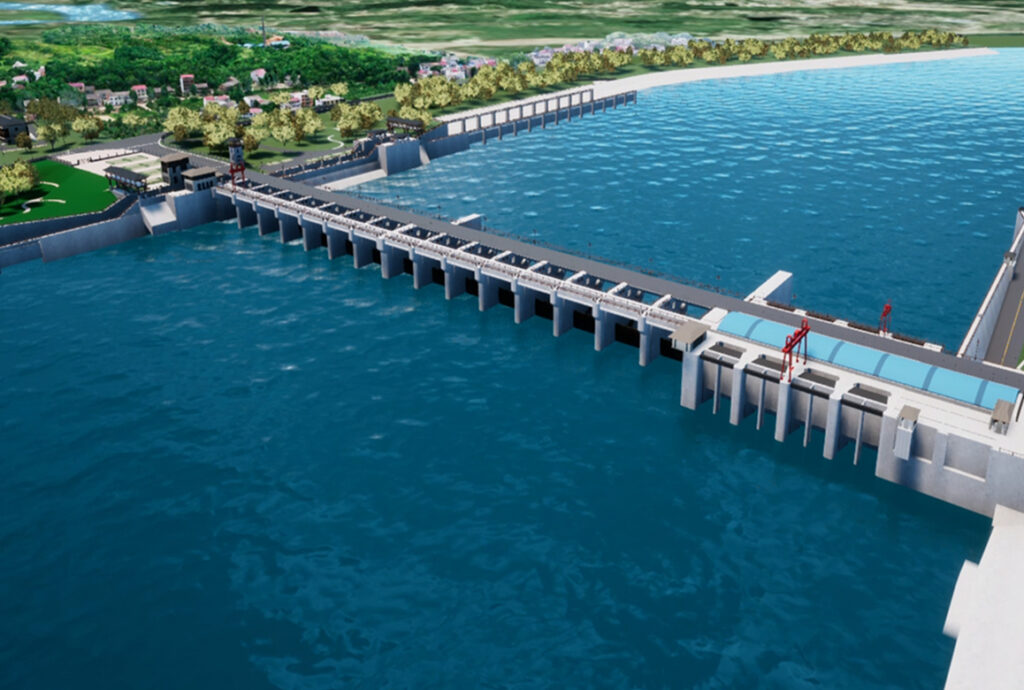
An aerial rendering of the Tugutang Navigation and Hydropower Hub, a finalist project by Hunan Provincial General Institute of Water Resources and Hydropower Survey, Design, Planning and Research Co., Ltd.

Hunan Provincial Water Resources and Hydropower Survey, Design, Planning, and Research Institute Co., Ltd.

Hunan Provincial Water Resources and Hydropower Survey, Design, Planning, and Research Institute Co., Ltd.  
Water and wastewater
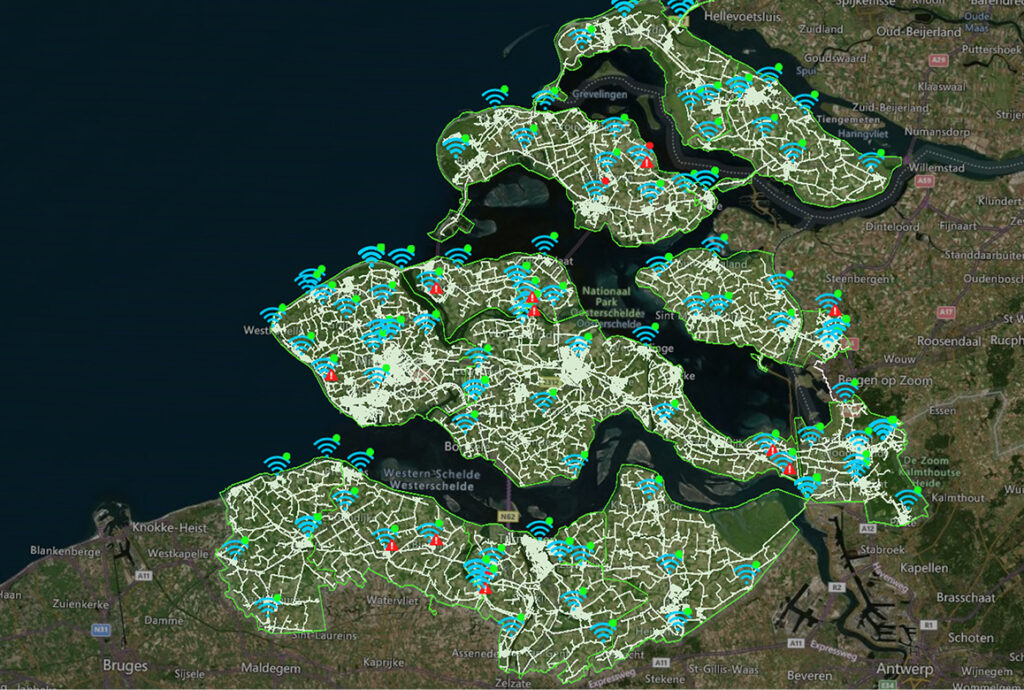
A digital twin showing the water distribution network of the Zeeland region overlaid on a satellite map, a finalist project by Evides.

Evides N.V.

Water distribution: Operational digital twins for a 14,000-kilometer water network  
Water and wastewater
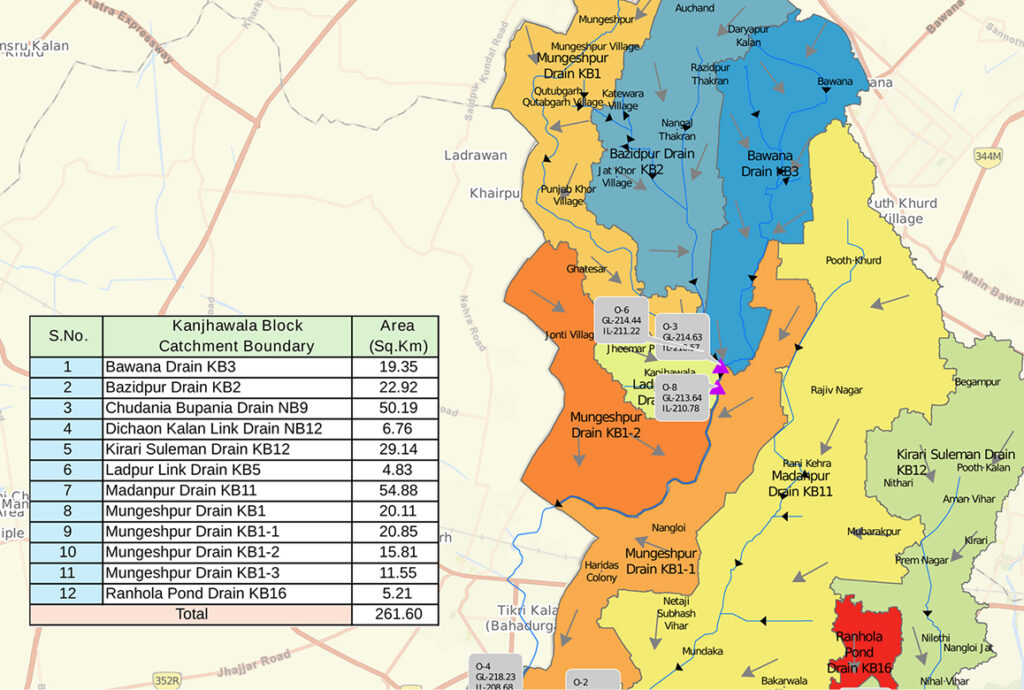
A GIS map from the Delhi Drainage Master Plan, showing color-coded catchment areas and drainage flow, a finalist project by the Irrigation and Flood Control Department, Government of NCT of Delhi.

Haskoning India Consulting Pvt Ltd.

Delhi stormwater drainage masterplan: A flood-free national capital  
Water and wastewater

Award category criteria

Show how your use of the technology delivered improved outcomes for the organizations involved and the communities served.
Demonstrate how your use of technology delivered measurable results in planning, design, construction, operation, or maintenance of water infrastructure.
Submissions should demonstrate use of Bentley applications, independently or combined with other software, across the project lifecycle. Eligible software includes OpenFlows, iTwin, OpenPlant, STAAD, PLAXIS, OpenRoads, SYNCHRO, ProjectWise, and AssetWise. Campus, facility, or city-scale submissions may also include OpenCities Planner, iTwin Experience, iTwin Capture, and iTwin IoT.
Show what made your approach stand out. Consider: smart management practices, digital twin adoption, cross-sector interoperability, and digital-first workflows that others can learn from.
Detail how your project improved performance: collaboration across teams, workflow improvements through digitalization, data integration, and solutions to workforce challenges.
Provide quantified results: cost savings, time savings, resource optimization, and risk management.
Showcase impact on climate adaptation, disaster preparedness, energy savings, carbon reduction, improved resilience, quality of life, and mitigated risk.
Include high-quality visuals: images, screenshots, models, simulations, animations, charts, and diagrams. Provide quantitative data where applicable. Show how digital twins and AI advanced project delivery or asset performance.
Questions? Contact [email protected].