Subsurface modeling and analysis

Recognizing teams who apply technology in extraordinary ways to solve complex subsurface challenges.
YEAR IN INFRASTRUCTURE

2026 Subsurface modeling and analysis finalists

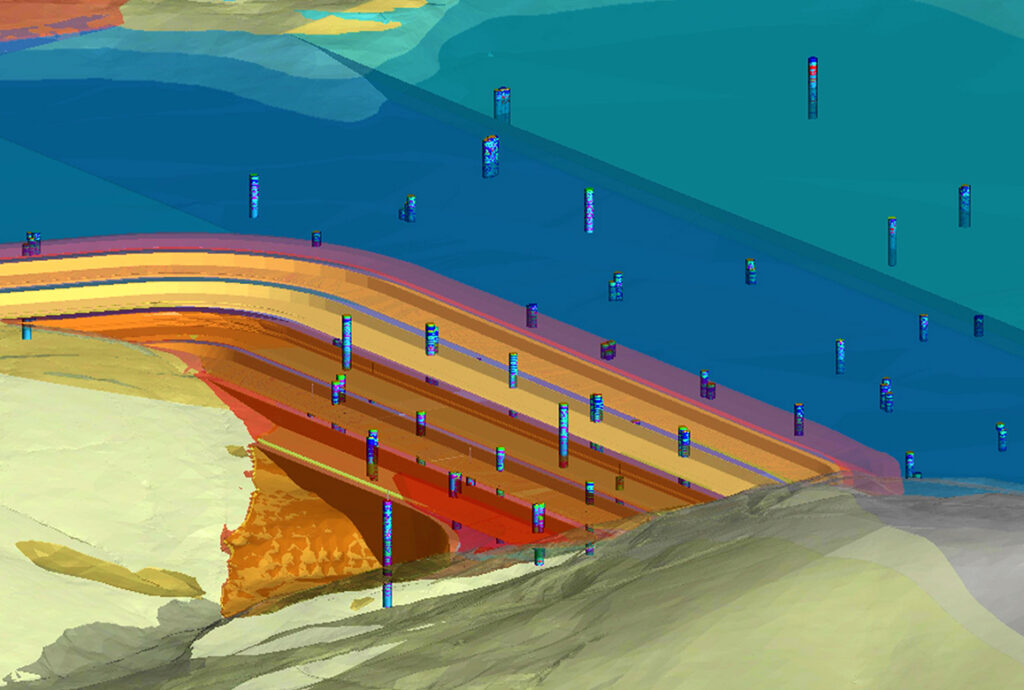
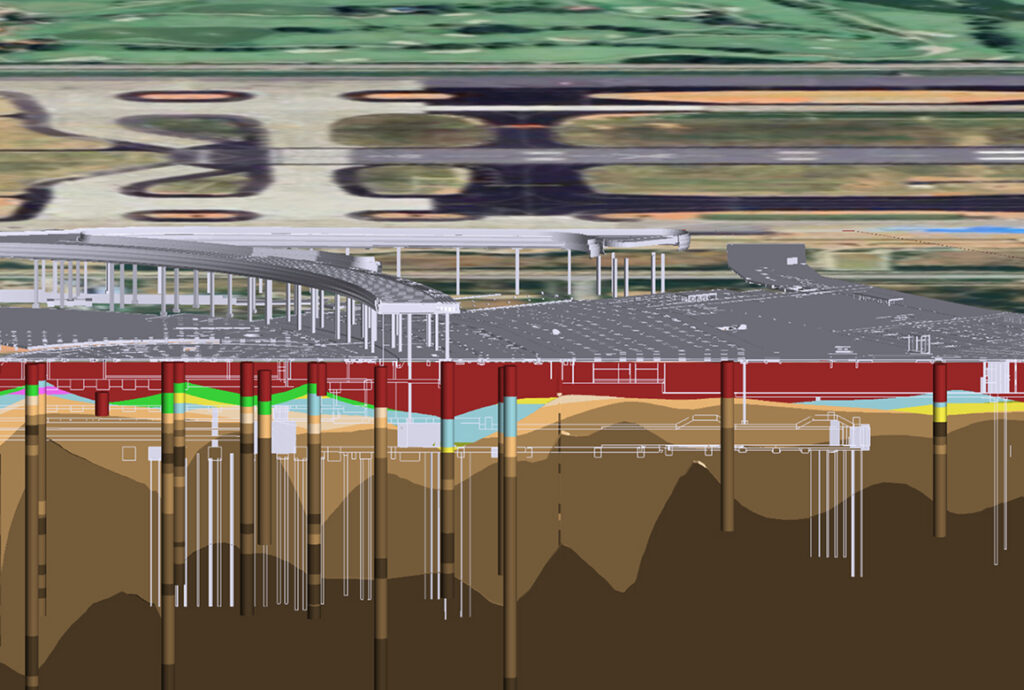
A 3D subsurface model of a dam showing CPTU test data within geological layers, a project by Andres Miguel Gonzalez Acevedo.

Intertechne Consultores S.A.

Tailings Dam: Innovative use of geological and geotechnical models and assessment  
Subsurface modeling and analysis
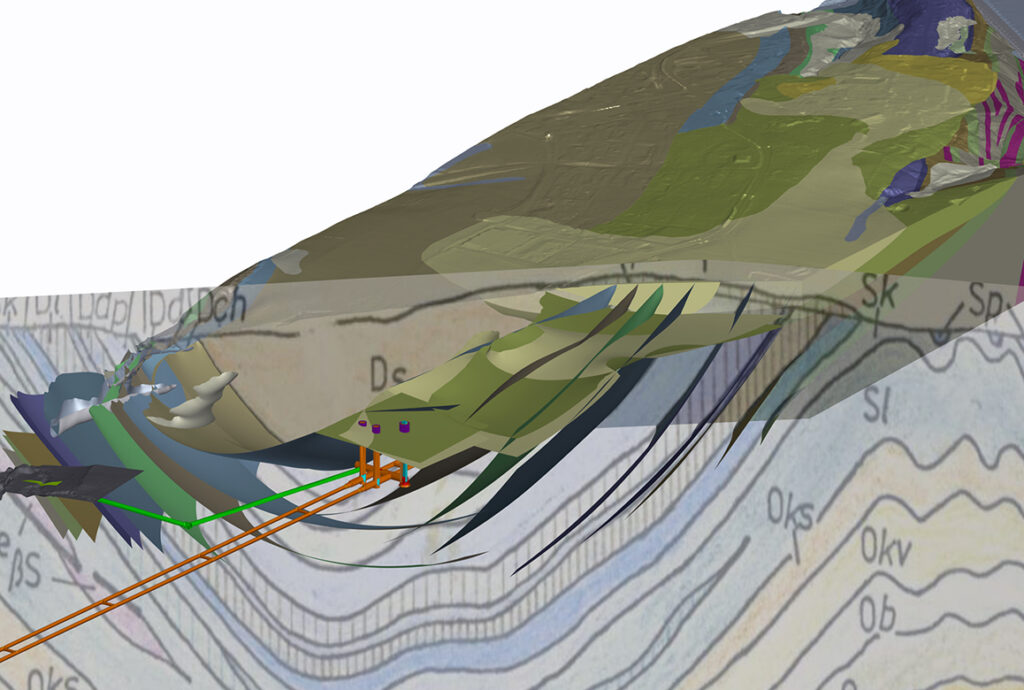
A 3D model of the Beroun tunnel's alignment through complex geological strata, a project by SUDOP PRAHA a.s.

Mott MacDonald

Praha-Smíchov–Beroun rail line: Building a connected subsurface model  
Subsurface modeling and analysis

Award category criteria

Show how your use of the technology delivered improved outcomes for the organizations involved and the communities served.
Demonstrate how your use of technology delivered measurable results in understanding underground engineering or subsurface challenges through modeling and analysis.
Submissions should demonstrate use of Seequent applications, independently or combined with other software, across the project lifecycle. Eligible software includes Seequent Central, OpenGround, MX Deposit, Imago, Leapfrog Works, Leapfrog Geo, Leapfrog Energy, Oasis montaj, Aarhus GeoSoftware, PLAXIS, Volsung, and GeoStudio
Show what made your approach stand out. Consider: insightful use of project data, strong interpretation that led to clear decisions, inventive problem-solving, and effective use of Seequent or Bentley applications to advance the project.
Detail how your project improved performance: digital workflows that connected earlier-stage data to the broader project, stronger communication and collaboration across stakeholders, clearer reporting and visualization, and reduced siloes.
Provide quantified results: cost savings, time savings, resource optimization, and risk management.
Showcase impact on climate adaptation, disaster preparedness, energy savings, carbon reduction, improved resilience, quality of life, and mitigated risk.
Include high-quality visuals: images, screenshots, models, simulations, animations, charts, and diagrams. Provide quantitative data where applicable. Show how digital twins and AI advanced project delivery or asset performance.
Questions? Contact [email protected].