Rail and transit

Recognizing teams who apply technology in extraordinary ways to deliver measurable outcomes across connected rail networks.
YEAR IN INFRASTRUCTURE

2026 Rail and transit finalists

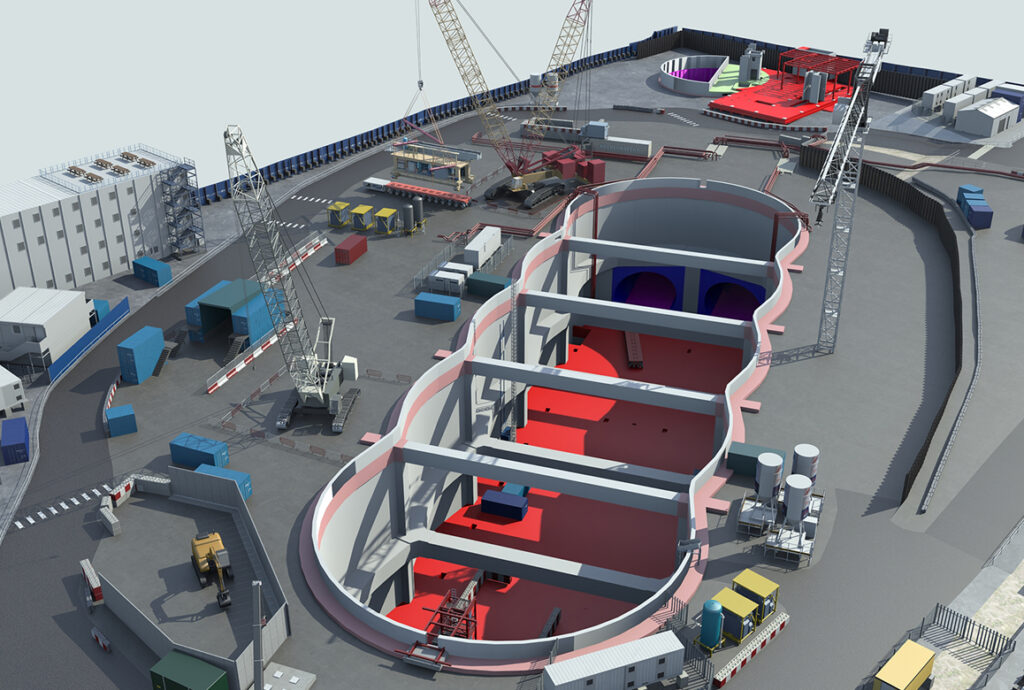
A detailed 3D digital model of a large, complex excavation site for a rail project, showing cranes and structural works, a finalist project by SKANSKA COSTAIN STRABAG JV.

Skanska Costain STRABAG JV

HS2 London tunnels: Rehearsing construction before it happens  
Rail and transit
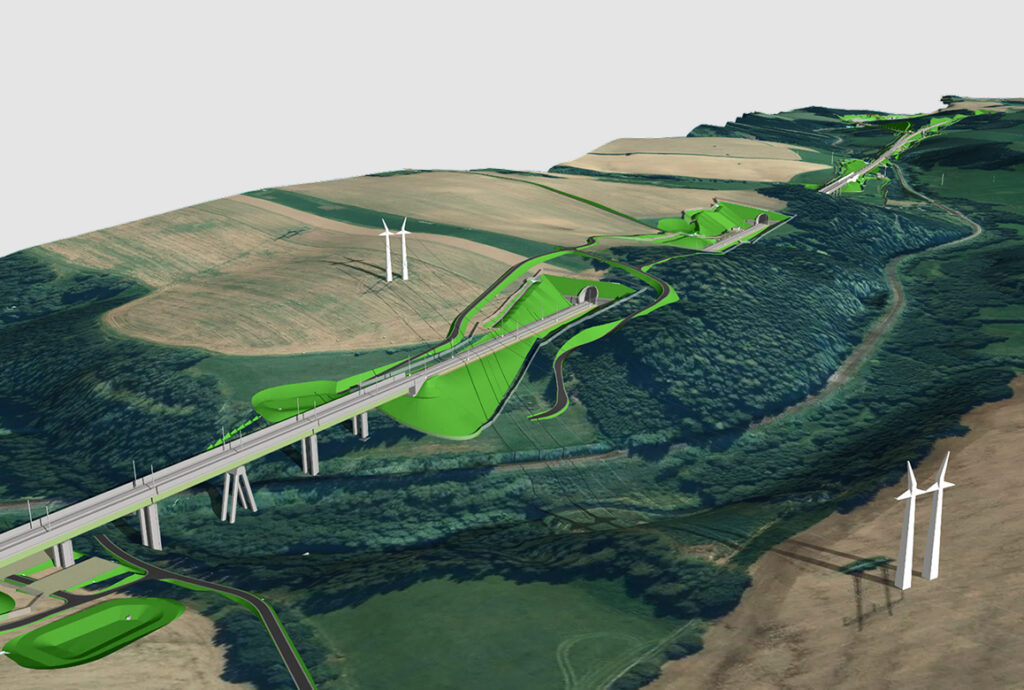
Aerial view of a winding elevated bridge through green fields and hills, with wind turbines nearby.

SUDOP PRAHA a.s.

Central Bohemia high-speed rail: Connecting design and project knowledge  
Rail and transit
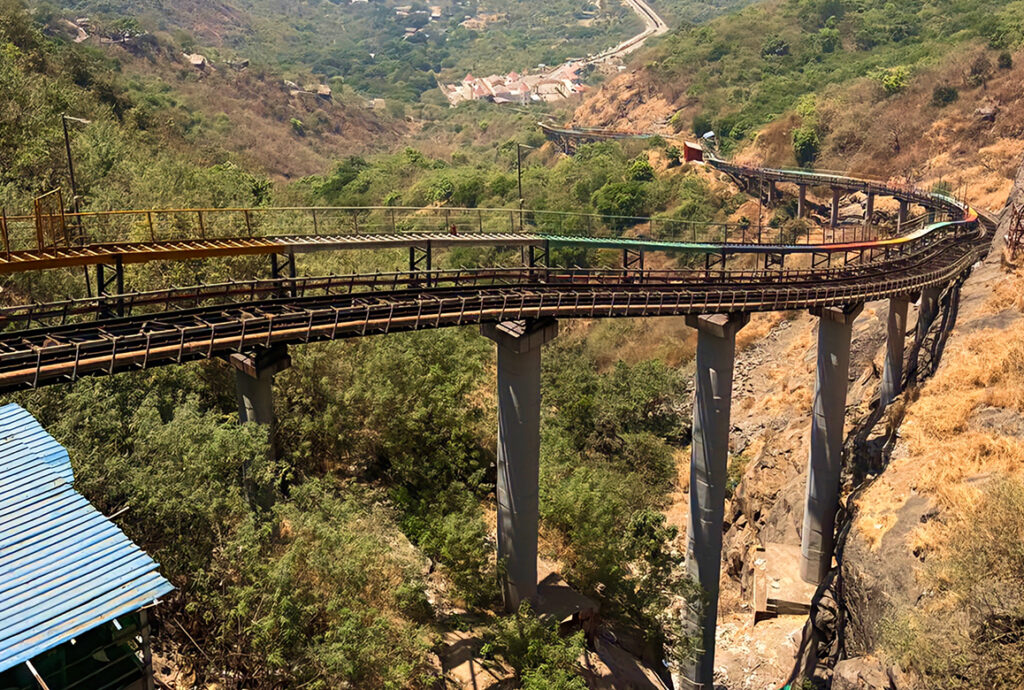
Winding elevated railway viaduct stretching across a valley with green hills and a distant village.

NMA - Nikhil Mahashur and Associates

Hajimalang Gad funicular rail: Engineering access through challenging terrain  
Rail and transit

Award category criteria

Show how your use of the technology delivered improved outcomes for the organizations involved and the communities served.
Demonstrate how your use of technology delivered measurable results in the planning, design and engineering of new rail assets, and the maintenance and upgrade of rail and transit networks.
Submissions should demonstrate use of Bentley applications, independently or combined with other software, across the project lifecycle. Eligible software includes AssetWise, iTwin, OpenBridge, OpenBuildings, OpenRail, OpenRoads, PLAXIS, ProjectWise, MicroStation, and SYNCHRO.
Show what made your approach stand out. Consider: integrated use of Bentley software across project delivery, strong application of rail engineering principles and standards, and effective use of digital models for design, analysis, drawing production, monitoring, and reporting.
Detail how your project improved performance: higher productivity, more sustainable construction methods, greater operational reliability, and digital twin workflows that automated delivery through interoperability, APIs, and integration with BIM or other technologies.
Provide quantified results: cost savings, time savings, resource optimization, and risk management.
Showcase impact on climate adaptation, disaster preparedness, energy savings, carbon reduction, improved resilience, quality of life, and mitigated risk.
Include high-quality visuals: images, screenshots, models, simulations, animations, charts, and diagrams. Provide quantitative data where applicable. Show how digital twins and AI advanced project delivery or asset performance.
Questions? Contact [email protected].